
Access Over Adherence: Neurodivergent Barriers to Eating in Eating Disorder Care
July 22 @ 10:00 am - 11:00 am PDT
| Many eating disorder nutrition interventions were built for neurotypical nervous systems, so when neurodivergent clients struggle to implement them, it’s often mislabeled as “noncompliance” or “lack of motivation” rather than a mismatch between the plan and the person’s access needs.
In this interactive, case-based webinar, we’ll translate sensory experience, interoception differences, executive functioning, and medical complexity into practical, day-to-day strategies that make eating more doable—without turning treatment into a compliance contest. You’ll leave with an Access Map, capacity-based planning tools, and clinician scripts you can use within your respective clinical practice. |
Learning Objectives:
Following this presentation, participants will:
- Differentiate common neurodivergent barriers to eating—sensory processing, interoception differences, executive functioning, movement/motor planning differences, trauma/mental health factors, and medical complexity—using targeted assessment questions to identify the primary “bottleneck” to nourishment.
- Apply an accessibility-focused framework to adapt core ED nutrition interventions (regular eating, variety, flexibility, meal planning) into individualized supports that increase follow-through without reinforcing shame, rigidity, or compliance-based treatment dynamics.
- Design capacity-based nutrition plans (e.g., Level 1–5 meal supports, high- vs low-bandwidth meal options, emergency food systems, low-demand structures) that maintain nourishment during burnout, symptom flares, and fluctuating capacity.
- Implement neurodivergent-affirming language and documentation strategies that validate disability-related barriers while maintaining ED treatment focus and defining measurable progress markers beyond “eating normally” (e.g., consistency, reduced friction, reduced distress, increased access).
Level B: Skills and Application
At this level, learners move beyond theory to actively apply knowledge in practical settings. Emphasis is on developing proficiency, problem-solving, and hands-on skills that can be implemented in real-world scenarios. Ideal for practitioners looking to strengthen their capabilities.
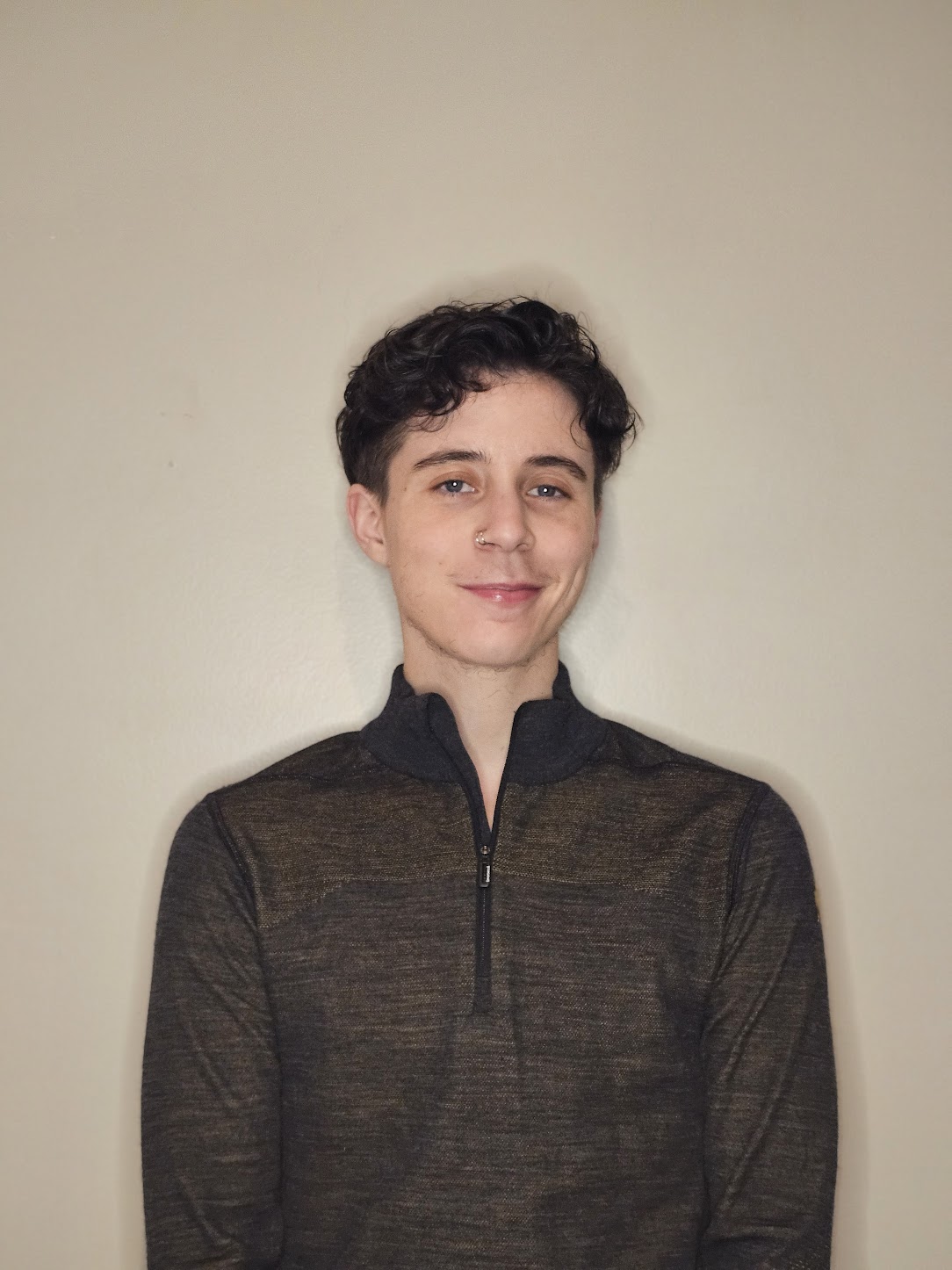
Jacs Scheinman RDN, LDN (he/him) Bio:
Jacs Scheinman (he/him) is a Registered Dietitian Nutritionist (RDN) with 5+ years of experience providing values-driven nutrition counseling for neurodivergent clients and affirming care for LGBTQIA+ communities. His clinical work centers sensory- and executive function-friendly eating, feeding differences (including ARFID), body image and dysphoria support, and care for clients with complex health needs such as GI conditions, chronic pain, and hypermobility-related conditions.
As a queer, AuDHD, epileptic clinician, Jacs practices from a trauma-informed, neurodiversity-affirming lens and integrates non-diet/HAES-informed principles with approaches drawn from Responsive Feeding Therapy and third-wave modalities (ACT/DBT/IFS) to support clients in real-world contexts. He has presented for professional audiences, including CPSDA and has published peer-reviewed research related to transgender and gender-diverse nutrition care.