Eating DisordeR Education
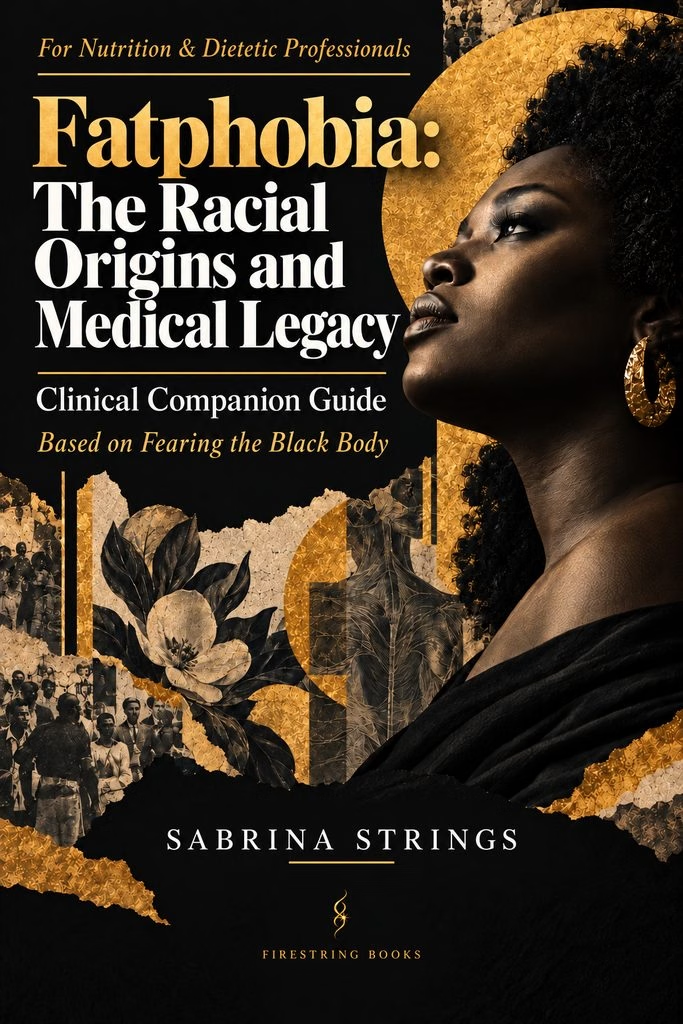
Fatphobia: The Racial Origins and Medical Legacy with Sabrina Strings, PhD
Strengthen your clinical judgment by understanding the roots of weight bias.
A self-paced course for dietitians and nutrition professionals | 14.5 CPEUs pending review with CDR.
Training Overview
Understanding the history of fatphobia is essential—but history alone does not answer the practical questions professionals face today.
Fatphobia: The Racial Origins and Medical Legacy creates a bridge between historical analysis and contemporary practice, helping health professionals examine how assumptions about race, gender, body size, and health can shape communication, evidence interpretation, professional judgment, and equitable care.
Through assigned reading, contemporary research, and applied case studies, learners develop a historically informed framework for recognizing assumptions, evaluating evidence, and making more thoughtful professional decisions.
Learning Objectives
When you complete this program, this is what you can expect to achieve
Describe the aesthetic, religious, and race-scientific development of Western anti-fatness from the Renaissance through the nineteenth century, including the point at which those ideas entered medical thought and practice
Analyze how racialized and gendered beliefs about body size shaped the construction of weight standards, measurement instruments, and diagnostic thresholds, from insurance height-weight tables through body mass index and later cutoffs.
Recognize and critically examine how inherited assumptions about body size, race, and health can shape professional judgment, interpretation, and communication in ways that contribute to inequitable dietetics and other health care services.
Apply a historically informed framework to a professional scenario by identifying the assumption at work, tracing the source or standard supporting it, and identifying what additional information is needed before treating that assumption as evidence.
Meet the Instructor

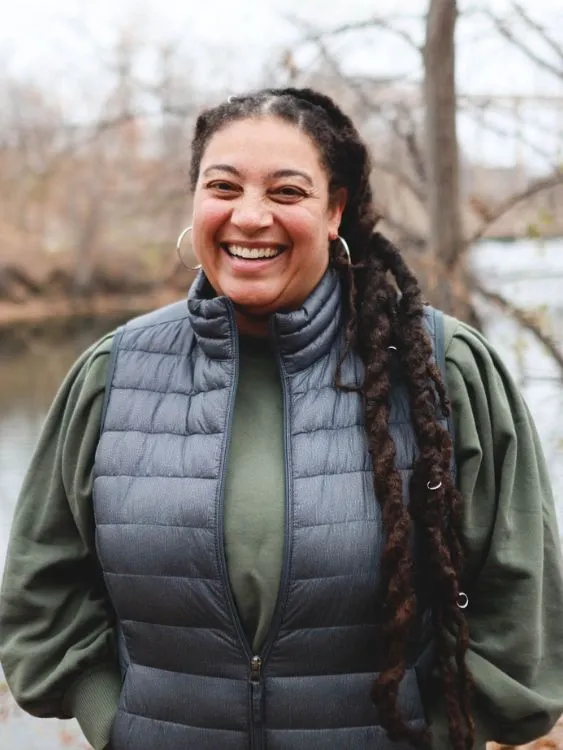
Sabrina Strings,
PhD
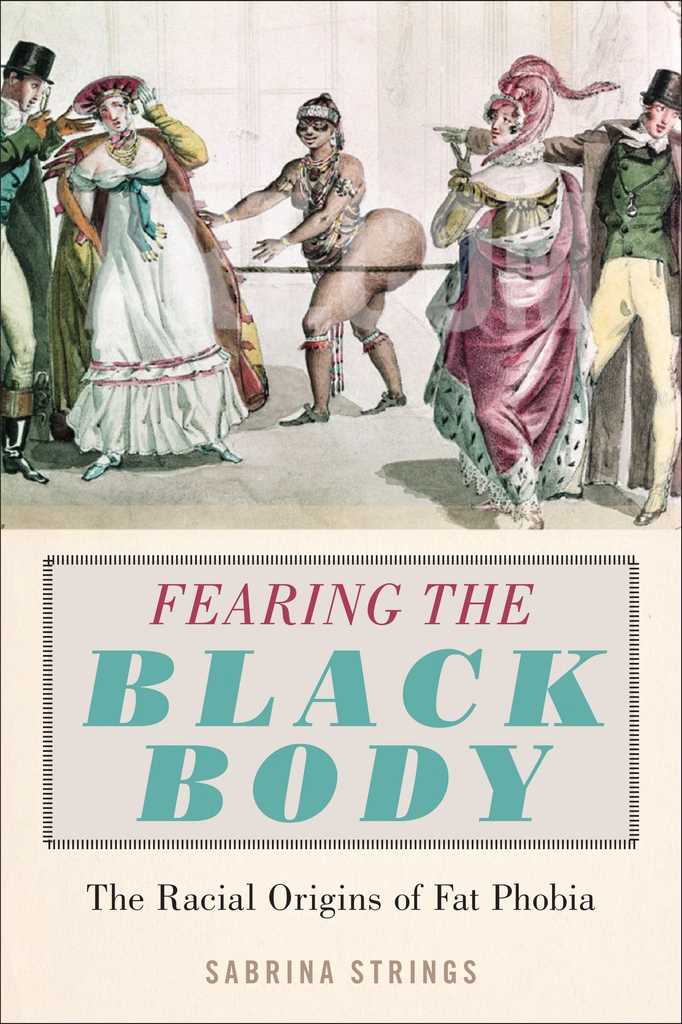
Sabrina Strings, PhD, is an educator and author whose work examines race, gender, and embodiment in science, media, and medicine. She has been featured in dozens of outlets, including BBC News, NPR, HuffPost, NowThis!, Essence, Cosmopolitan, Vogue, The Washington Post, TIME, and The New York Times. She is the author of the award-winning books Fearing the Black Body: The Racial Origins of Fat Phobia (NYU Press, 2019) and The End of Love: Racism, Sexism & the Death of Romance (Beacon Press, 2024). Her latest book Thick and Thin: A coming of age story about friends, boys, and body image was just released through her imprint, Firestring Books. Her television appearances include the Netflix docuseries The Black Beauty Effect and HBO Max’s TV on the Edge.
Follow her latest work at sabrinastrings.com and on social media.
Who This Activity Is For
Designed for registered dietitian nutritionists (RDNs) and nutrition and dietetics technicians, registered (NDTRs), with relevance for professionals working in public and global health, community health, WIC and SNAP-Ed, school nutrition, employee wellness, medical fitness, sports and human performance, and college health.
Organizations and professional associations can inquire about access for their teams by emailing joinme@sabrinastrings.com.
How the Activity Works
You will need access to a copy of Fearing the Black Body: The Racial Origins of Fat Phobia to complete the required reading.
Your Investment
Just $99 for EDRD Pro members for a limited time through December 25th 2026!
Enrollment is open at the $119 introductory price for a limited time.
Your purchase includes the CPE Companion Guide, online assessment, and certificate upon successful completion. The required NYU Press book is purchased separately.
EDRD Pro Member Price
Not yet an EDRD Pro member?
CE Information
- RDNs and NDTRs: 14.5 CPEUs through the Commission on Dietetic Registration (CDR).
- ANCC-certified nurses: 14.5 contact hours may be applied toward ANCC certification renewal when the course is relevant to the nurse’s certification role, population, or practice setting. This includes, for example, psychiatric-mental health nurses and PMHNPs for whom the course content is professionally relevant.
- CDCES credential holders: The Certification Board for Diabetes Care and Education accepts CDR-approved continuing education. Because this course substantively addresses diabetes risk, BMI, health disparities, and related clinical interpretation, it is applicable to CDCES continuing education requirements.