Eating Disorder Education
The FBT Course Dietitians Have Been Missing
Deepen your expertise in Family-Based Treatment (FBT) with our comprehensive online course.
$75 off with early bird pricing before 9/1/26. Doors Open September 25, 2026.
BONUS! Free study groups with the instructors for the lifetime of the course included with enrollment!
23 CE Credits Pending Approval by Commission on Dietetic Registration
Eligible through September 2029
The standard for treating adolescents with eating disorders
Full recovery is possible. When nutritional rehabilitation becomes the central focus of early treatment, it opens the door to the deeper, lasting recovery that follows. Family-Based Treatment is one of the most effective approaches we have for adolescent eating disorders, yet dietitian-specific training in how to actually implement it has been almost impossible to find. Until now.
What you’ll walk away with
Confident Grasp of FBT’s Core Components
A clear understanding of how they apply specifically to your role as the dietitian on the team through all three phases of threatment.
Method for Determining Target Weight Ranges
A repeatable method for determining individualized target weight ranges along the recovery timeline, so you’re never guessing.
Practical Feeding Strategies
Practical feeding strategies and behavior management plans you can use with families.
Tools to Support Families
The tools to support families through the messy parts: crisis moments, plateaus, ambivalence, and relapse.
Return-to-Sport Guidelines
Guidelines and clear instructions on navigating physical activity and recovery.
Specialized Guidance
Specialized guidance for diverse populations, ARFID, and higher levels of care.
Plus direct instruction from leaders in the field, including Renee Rienecke, PhD; Rebecka Peebles, MD; and Sarah Tores, RD
Who is this for?
Dietitians who are ready to stop learning FBT by accident and start practicing it with real skill, whether you’re brand new to eating disorder work or you’ve been doing this for years and want to sharpen what you know.
Enroll now and become the dietitian every family needs in child and adolescent eating disorder treatment. The field needs many more RDs who are confident in working with families and young patients. Join us!

Here’s what to expect:
Connection: Explore the dynamic role of Family-Based Treatment (FBT) in managing adolescent eating disorders.
This course delivers essential knowledge that will enable you to understand and effectively apply FBT, enhancing your practice and offering substantial benefits to your clients and their families.
Evidence-Based Learning: Immerse yourself in a curriculum that integrates the latest FBT research with best practices.
Gain valuable insights from seasoned experts in adolescent eating disorders, positioning you as a skilled practitioner in family-centered treatment approaches.

You’ll get
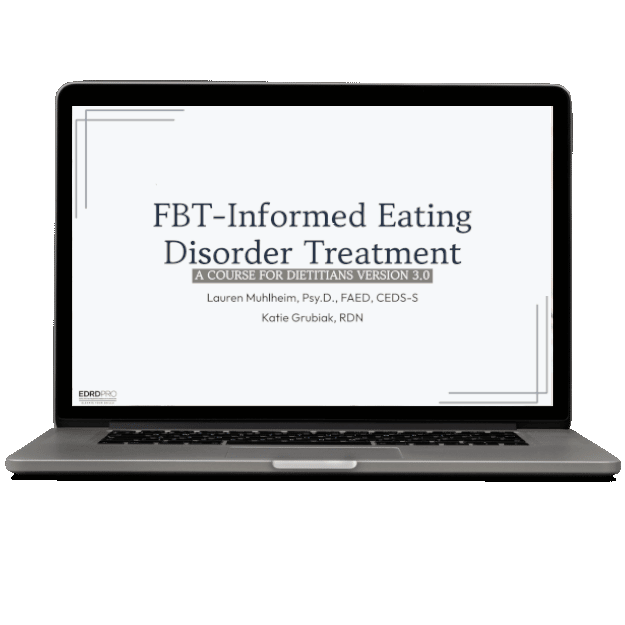
A Unique Training for Dietitians:
The Expert Role of the RDN
Learn how to up-level your role as the nutrition expert and as an empowered coach for caregivers – the actual mechanism that makes an FBT-informed approach work.
Communication practices
Learn distinct skills for how to translate nutrition and weight goals in to concrete, actionable direction for parents and caregivers.
The Perk: Live Study Groups!
Registration includes live study groups at no cost to enrolled students. One of our students’ most appreciated parts of the course.
What you will learn
When you complete this program this is what you can expect to achieve
Introduction to FBT and Its Role in Eating Disorder Treatment
Understand the principles of FBT and how it transforms the treatment landscape for adolescents with eating disorders.
Engaging Families in Treatment
Learn strategies to effectively involve families in the treatment process, enhancing the support system for adolescents.
Addressing Challenges in FBT
Navigate common challenges and learn to overcome obstacles in family-based interventions.
Practical Application and Case Studies
Apply what you learn through practical exercises and detailed case studies that illustrate successful FBT scenarios.
Continuous Professional Support and Development
Participate in ongoing professional development through live sessions that foster a deeper understanding and refinement of your FBT skills.
Weight inclusive approach
This course is presented from a weight inclusive approach so that you can practice within your values.
Revitalize your approach to adolescent eating disorder treatment with our innovative FBT-Informed Course, designed to deepen your impact and broaden your therapeutic reach.
This course directly addresses the challenges dietitians face when working with adolescents with eating disorders.
It offers in-depth training on engaging families effectively, understanding complex family dynamics, and mastering specialized treatment strategies to make a real difference in young clients’ lives.
What Students Are Saying
Extraordinary!
The training has been extraordinarily useful. Katie’s sessions specifically are amazing. She generously shares her approach and process in a variety of different treatment team scenarios. As a result, I have directly been able to apply the principles and style in my own clinical practice, which has greatly enhanced my expertise and skills.

Profound!
The FBT course has profoundly impacted me. The practical, clear, and considered guidance and experience shared by the presenting team will definitely be front of mind as I continue to work with my young clients and their families.
Best investment I have made
I am fascinated with the depth with which the different contents of the FBT course have been addressed. I had the opportunity to take both versions, and they have been incredibly valuable. They have reinforced and expanded my knowledge, providing me with a solid foundation of confidence to work with the most challenging cases, including the sensitive issue of weight stigma that exists among professionals and families. Becoming a member of EDRD Pro is the best investment I have made.
Worth your time
The FBT course was so helpful. I have fully implemented this into my practice now with amazing results! Kids are recovering quicker, and parents are learning along with them how to treat the ED and maintain recovery. I wish I had known all this info earlier! Definitely worth your time to learn FBT!
This course is invaluable!
This course is invaluable for building up confidence and skills in working with adolescents and families in the eating disorder space. It covers such a wide range of topics and provides great resources. I would highly recommend this course to anyone interested in utilizing an FBT approach!
Outstanding!
This FBT training was outstanding. It has changed how I work as a dietitian. The education I gained will be invaluable in my work.
So helpful!
I took the EDRD Pro FBT course and thought it was so great! Thank you! I was working in an adolescent PHP program at the time, and now I’m in the outpatient world, working at a private practice, and seeing some adolescents (and some adults) with eating disorders, and the information I have learned from your course has been so helpful!

Meet Your Instructors
Lead Instructors
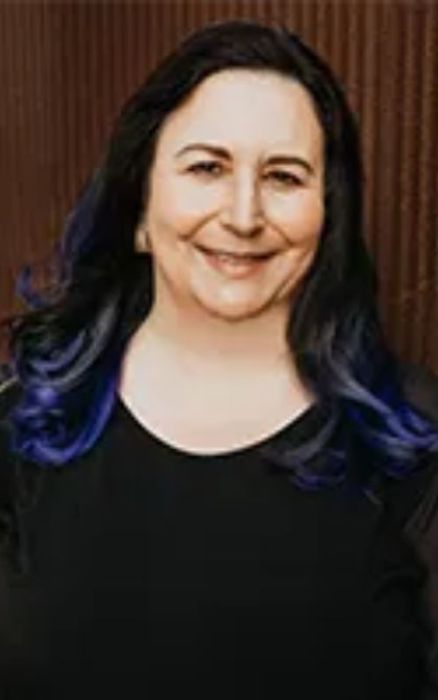
Lauren Mulheim
Psy.D., FAED, CEDS
Lauren Muhlheim, Psy.D., FAED, CEDS is a psychologist, fellow of the Academy for Eating Disorders (AED), and certified eating disorder specialist (CEDS) and approved supervisor for the International Association of Eating Disorder Professionals (IAEDP).

Katie Grubaik
RDN
Katherine Grubiak, RDN, is a nationally recognized expert in Family-Based Treatment (FBT)-informed care for dietitians. She has trained dietitians across the country and internationally on how to bring modified FBT practices into their work as eating disorder providers
Guest Speakers
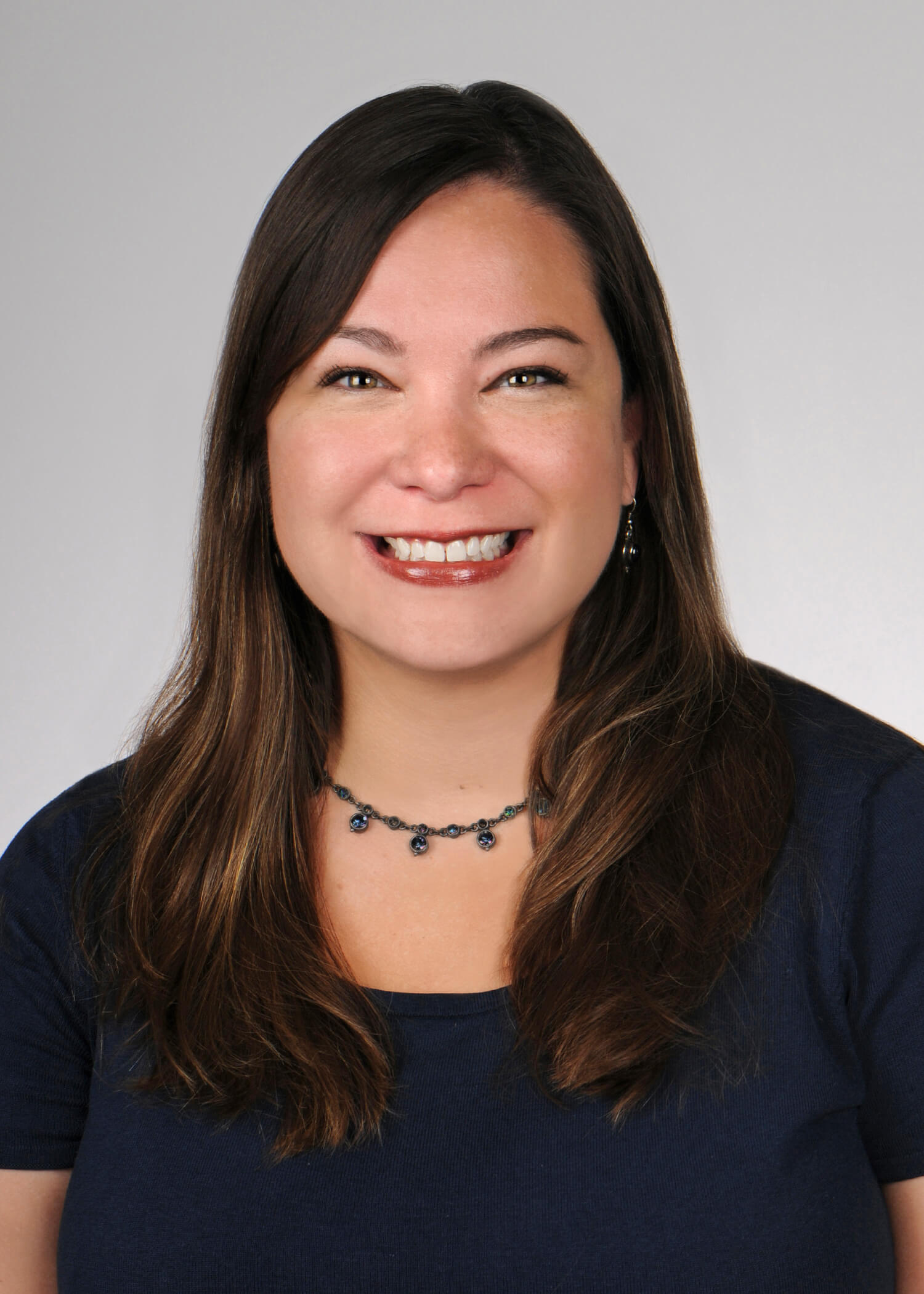
Renee D. Rienecke
PhD, FAED
Renee D. Rienecke, PhD, FAED, is a licensed clinical psychologist, Director of Research and Quality Assurance for Galen Hope, research consultant to Eating Recovery Center, and Adjunct Professor in the Department of Psychiatry and Behavioral Sciences at Northwestern University
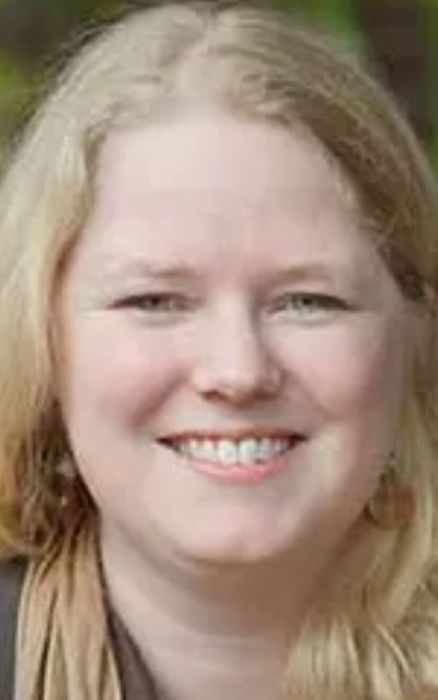
Rebecka Peebles
MD
Dr. Rebecka Peebles is the Vice President of Adolescent Medicine at Monte Nido. Prior to her current role, Dr Peebles worked for 13 years at Children’s Hospital of Philadelphia (CHOP) and the Perelman School of Medicine at The University of Pennsylvania, where she was an Associate Professor of Pediatrics, specializing in adolescent and young adult medicine.
Dr. Peebles is board-certified in pediatrics and further specialty certified in adolescent and young adult medicine, and served as the Director of Medical Research and Quality Innovations in the Eating Disorder Assessment and Treatment Program at CHOP, which she co-founded in 2011. Her research has been funded by the NIH and the American Heart Association and has focused on medical evaluation, bone health, and biobehavioral links in youth with eating disorders.
She graduated from Case Western Reserve University School of Medicine with her MD in 1996, completed her pediatrics residency at the Cleveland Clinic Children’s Hospital in Ohio in 1999, and her adolescent medicine fellowship at Lucile Packard Children’s Hospital at Stanford in 2003.
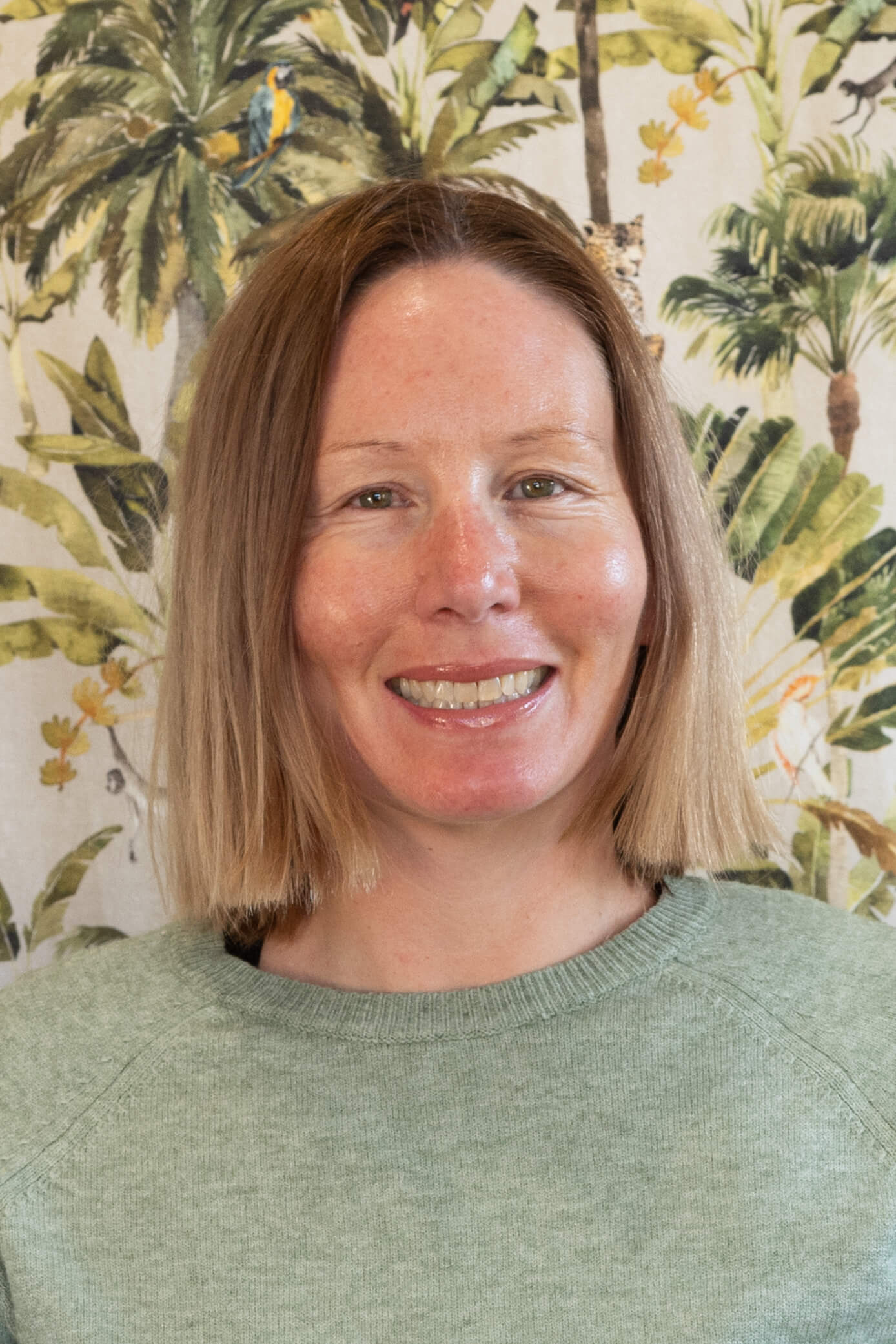
Victoria Schonwald
NZRD
Victoria Schonwald, NZRD is a New Zealand-registered dietitian specialising in nutritional neuroscience and the nutritional rehabilitation of the compromised brain. Based in Christchurch and working through The Eat Clinic, Victoria has spent seven years in a specialist eating disorder private practice, working with individuals, families, and caregivers across the full spectrum of eating disorder presentations.
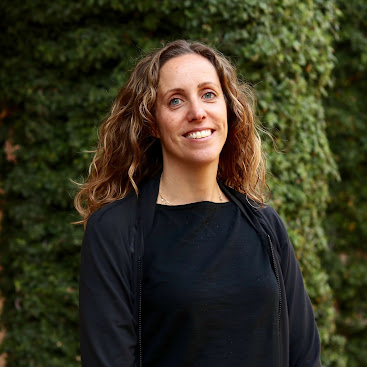
Dr. Shelly Bar
MD
Dr. Bar provides expert care around the medical complications of malnutrition, eating disorders and disordered eating, with a compassionate and specialized, well rounded approach. She is committed to improving patients’ overall mental and physical well being
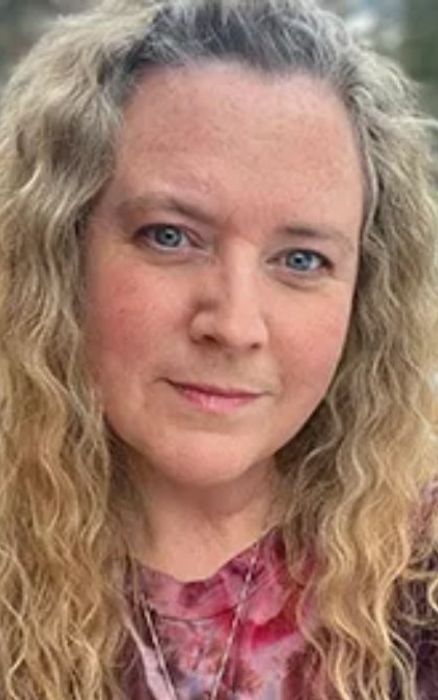
Katie Maki
BSN, RN, Parent Advocate
Katie Maki BSN, RN, aka “Mamabear”, is the mother of 3 young adult children. Her middle daughter was diagnosed with Anorexia Nervosa at the age of ten in the fall of 2010. She has been in full recovery for many years.
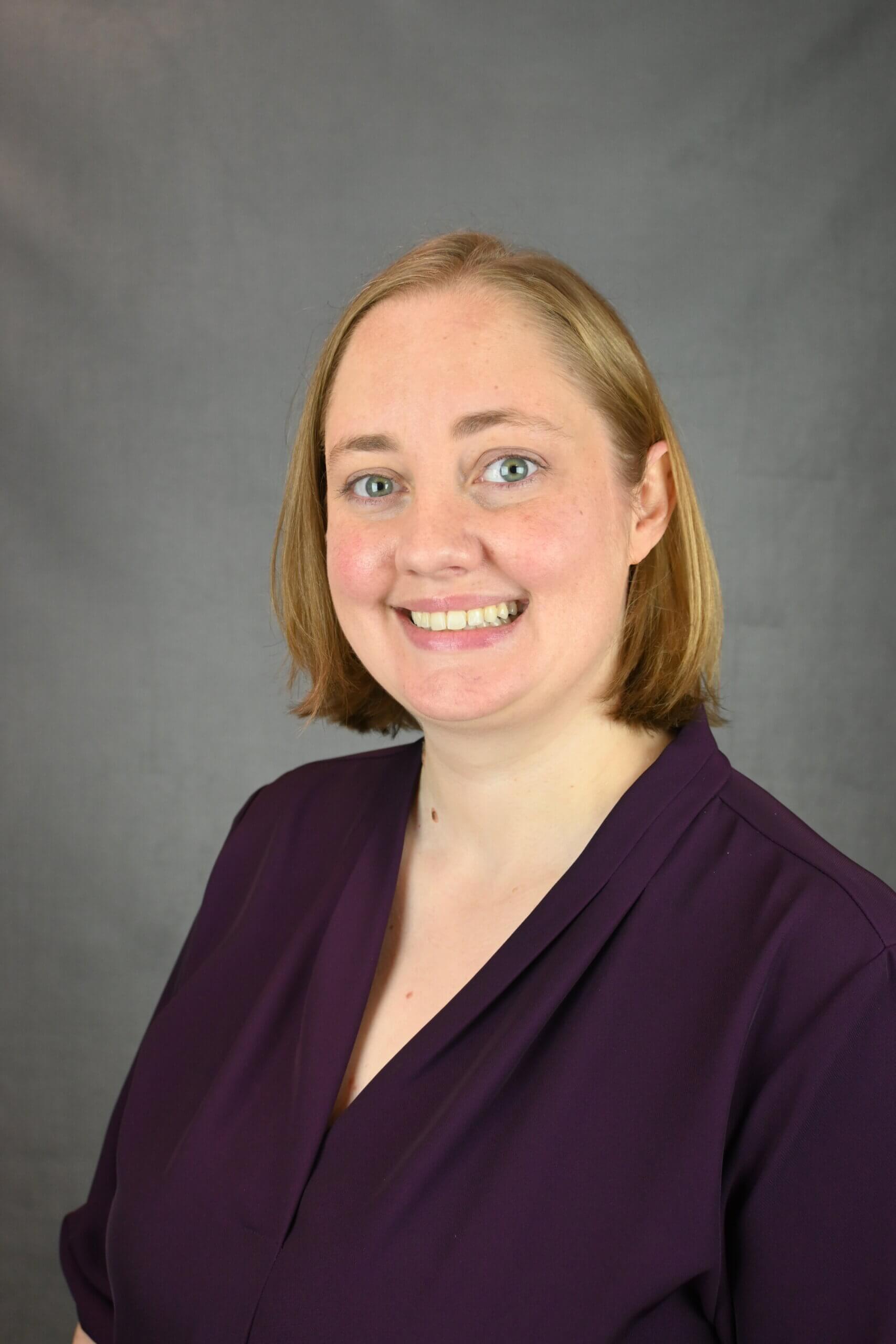
Sarah Torres
RDN
Sarah Torres is a Registered Dietitian with over a decade of experience helping individuals and families through meaningful and personalized nutrition care. She earned her undergraduate degree in Nutrition and Foods from Texas State University -San Marcos and went on to complete her Dietetic Internship and Master’s degree in Nutrition and Health Promotion at Simmons College in Boston, Massachusetts.
Course Breakdown
Course Synopsis
Family-Based Treatment (FBT) is one of the most effective approaches for treating adolescent eating disorders, but few dietitians receive dedicated training in how to implement it well. This 20-module, dietitian-specific course closes that gap, covering everything from core FBT principles and the neurobiology of undernourishment to target weight determination, feeding strategies, and supporting families through crisis and higher levels of care. Learn directly from field experts including Renee Rienecke, PhD; Rebecka Peebles, MD; and Sarah Torres, RD. Whether you’re new to FBT or deepening your practice, this course gives you the confidence and tools to become an essential member of the treatment team. If you have previously taken an earlier version, this entire course has been re-formatted, updated, and is full of new information that builds off what you learned in Version 2.0.
Module Details
MODULE 1:
Working with Adolescents and Eating Disorders
MODULE 2:
Core Components and Implementation of Family-Based Treatment (FBT)
MODULE 3:
Family Based Treatment: Then and Now
Guest Presenter – Renee Rienecke, PhD
MODULE 4:
The Neurobiology of Undernourishment and the Starved Brain
Guest Presenter – Victoria Schonwald
MODULE 5:
Understanding and Applying Family-Based Treatment in Diverse Populations
MODULE 6:
Orienting Families to Family-Based Treatment
MODULE 7:
The Roles of treatment team members, especially the Dietitian, in Family-Based Treatment
MODULE 8:
A Medical Standpoint on Returning Teens to Their Growth Curves
Guest Presenter – Rebecka Peebles, MD
MODULE 9:
Determining Individualized Target Weights
MODULE 10:
Communicating Goal Weights and Weighing Practices in Family-Based Treatment
MODULE 11:
Feeding Strategies for Dietitians Working with Families in Family-Based Treatment
MODULE 12:
Empowering Parents to Feed
MODULE 13:
Overcoming Challenges in Family-Based Treatment
MODULE 14:
Behavioral Management Plans in Family-Based Treatment
MODULE 15:
Supporting Families Through Crisis in Family-Based Treatment
MODULE 16:
Expanding Life As Treatment Progresses
MODULE 17:
Bringing Family-Based Treatment to Higher Levels of Care
Guest Presenter – Sarah Torres, RD
MODULE 18:
The Mama Bear Approach to Eating Disorder Recovery
Guest Presenter – Katie Maki
MODULE 19:
Family-Based Treatment for ARFID
MODULE 20:
The Use of Medications to Support Weight Gain
Guest Presenter – Shelly Bar, MD
Your Investment
EDRD Pro Member Discount Save $100 – discount automatically applied at checkout when logged in
Register by Aug 31st for an additional $75 off! – Discount automatically applied at checkout.
If you are previously enrolled in Version 2.0 of this course, a 50% discount will be automatically applied at checkout when you register with the same email address.
Full and Partial Scholarships Available. Inquire by email to info@edrdpro.com.
Group Pricing: Email info@edrdpro.com to request info on pricing for groups of 3 or more.
Non-Member Price
Save $75 and enroll before Sept. 1st!
EDRD Pro Member Price
Save $75 on top of the member price and enroll before Sept. 1st!
Not yet an EDRD Pro member?